

Reliable Drinking Water Supply Through Spring Monitoring
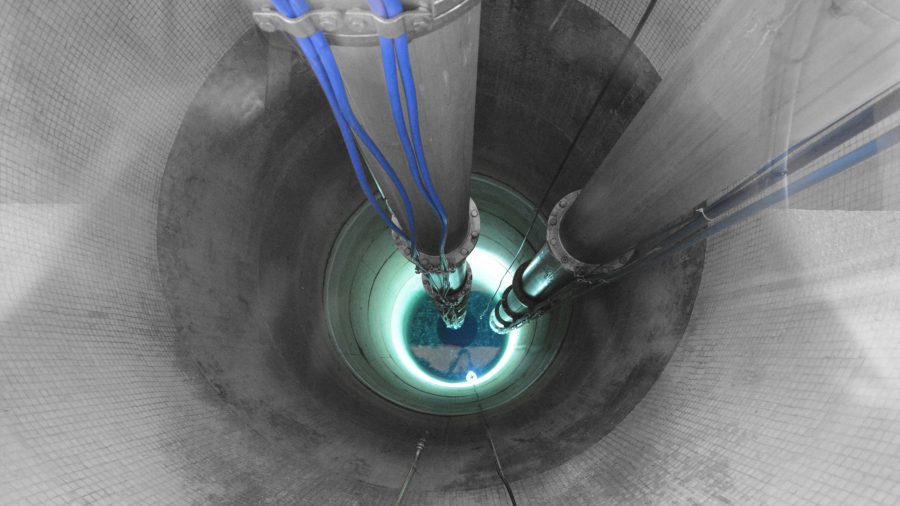
The drinking water supply for the municipality of Klosters relies heavily on natural springs. Until now, spring water quality has been monitored primarily through periodic laboratory analyses and visual inspections. As a result, short-term changes in water quality could only be detected to a limited extent.
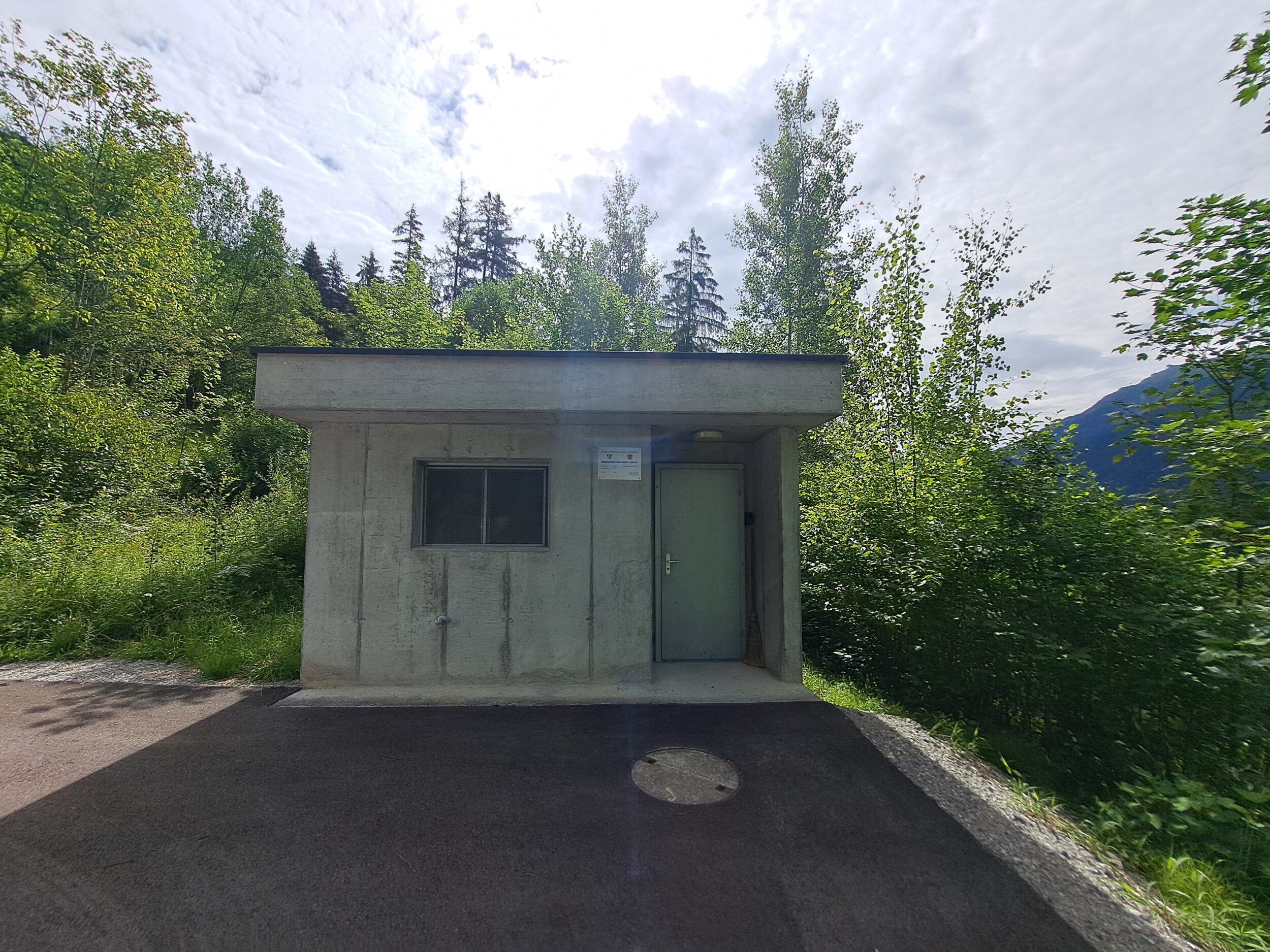
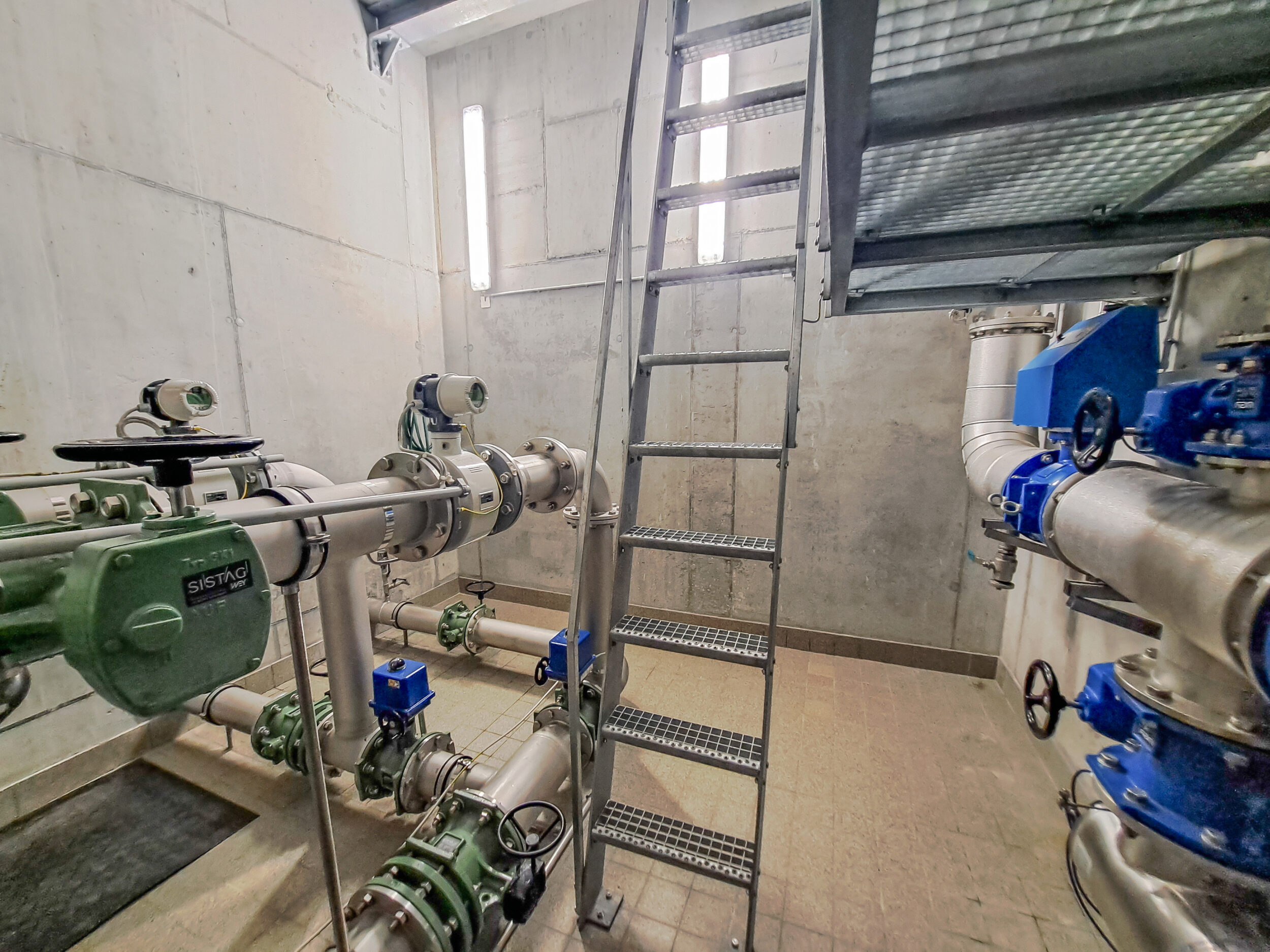
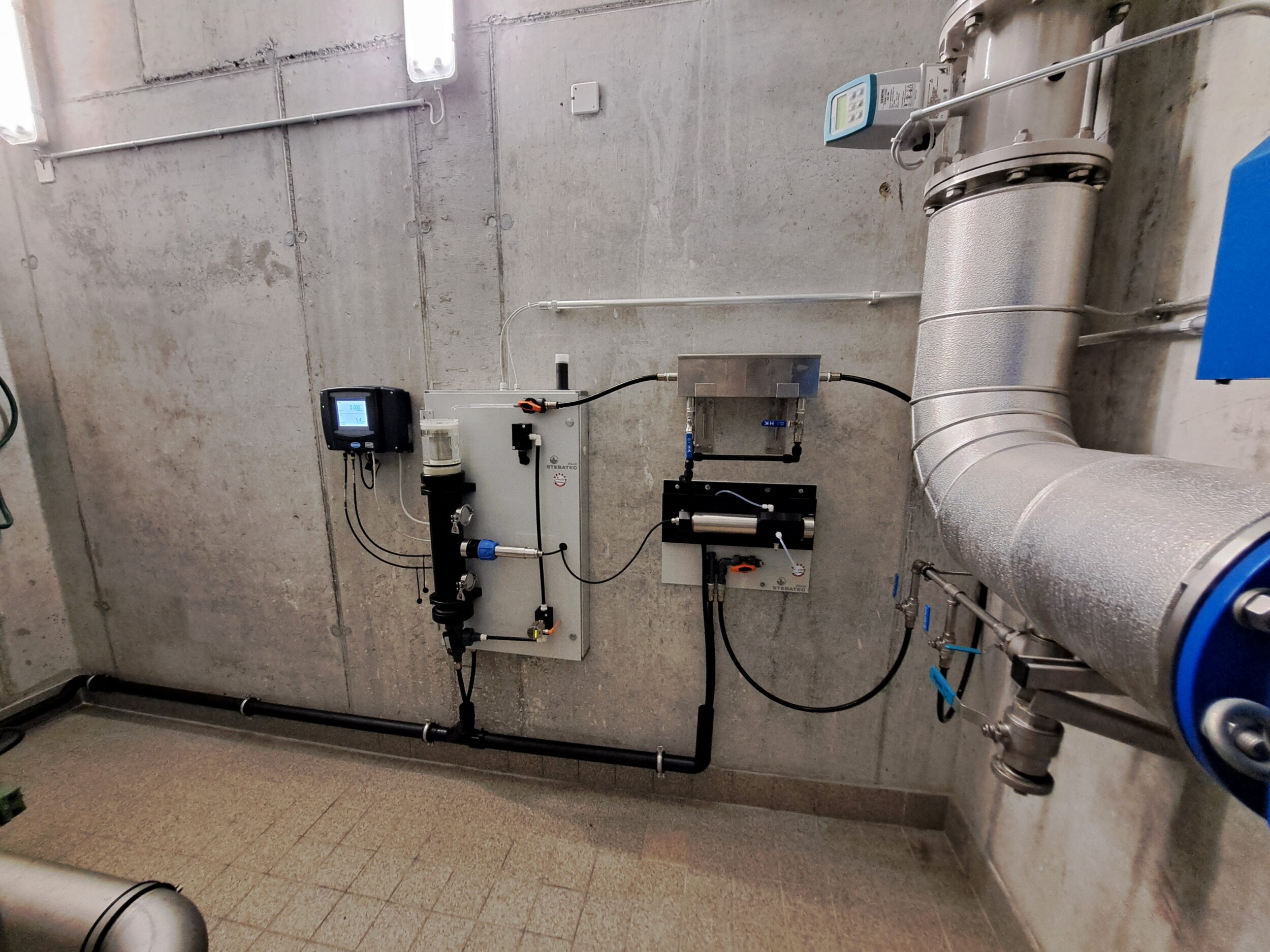
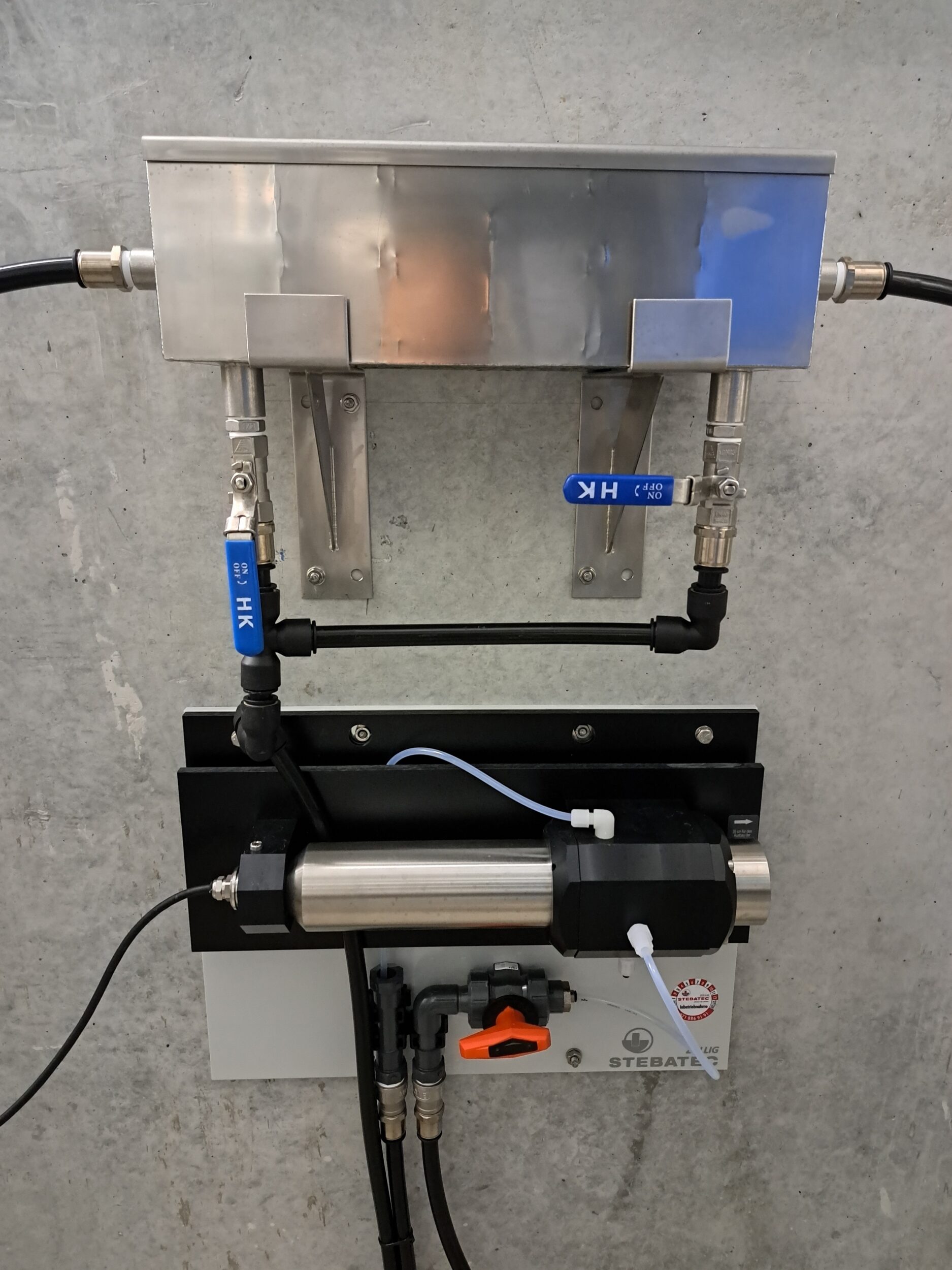
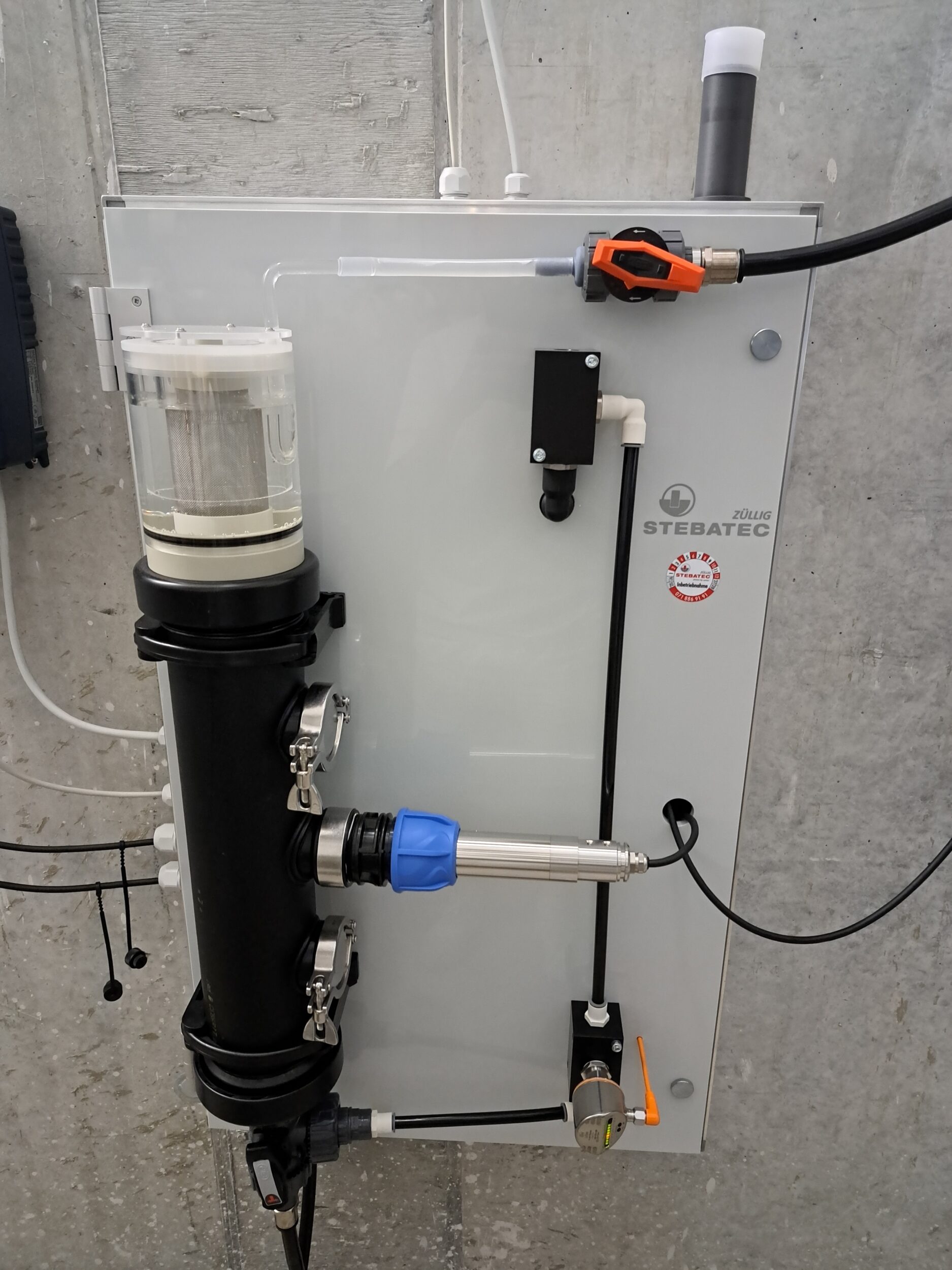
To further enhance supply reliability and meet the increasing demands on drinking water quality, a state-of-the-art water quality monitoring station was installed. This station enables continuous monitoring of key water quality parameters at the spring and provides real-time measurements.
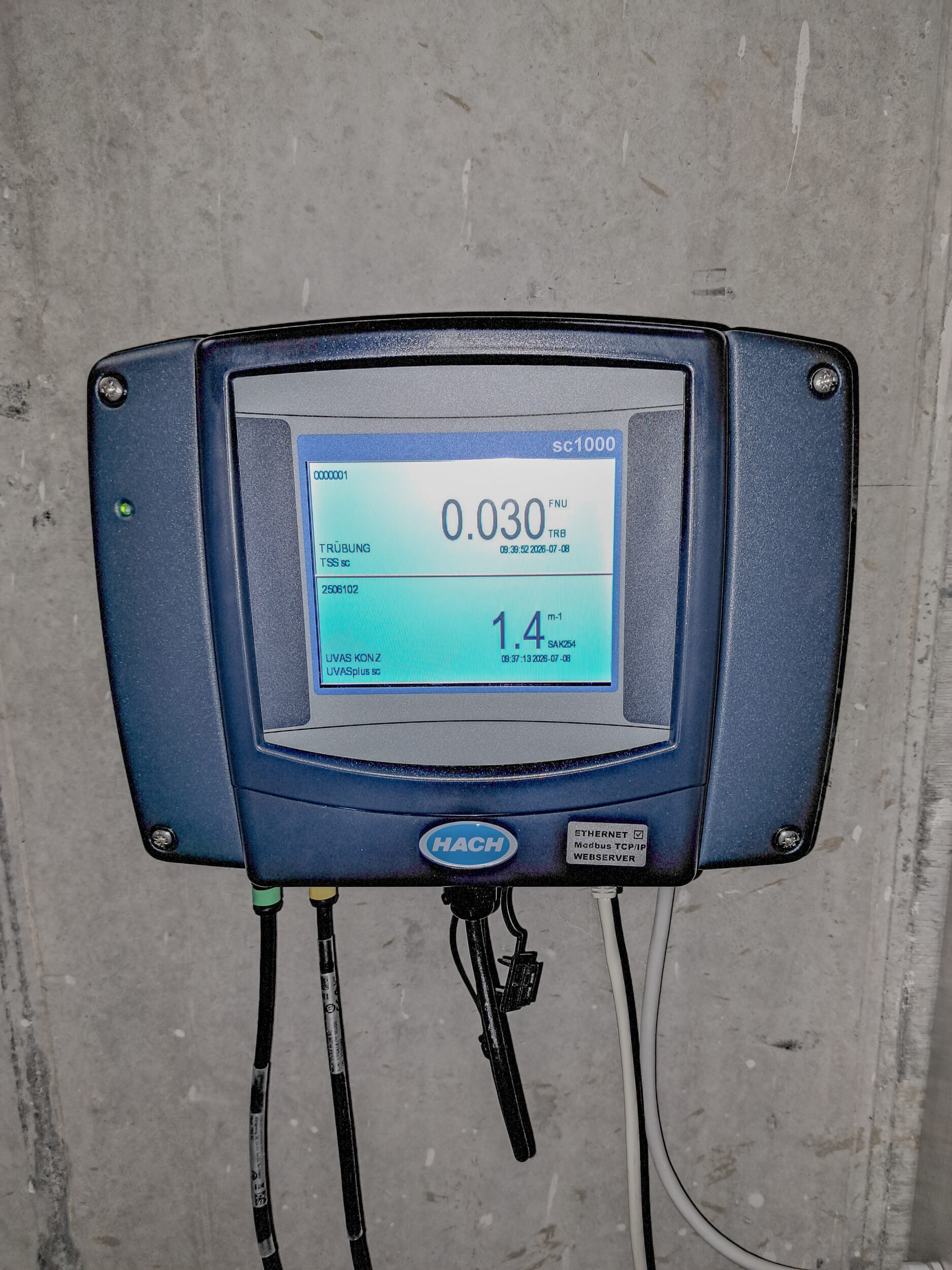
Among other things, the station measures turbidity and the spectral absorption coefficient (SAC). Reserve connections have been prepared for electrical conductivity and other relevant parameters. Thanks to continuous data collection, changes in water quality can be detected and assessed at an early stage. In particular, after heavy rainfall, snowmelt, or other influences, potential impairments to the spring water can be identified immediately.
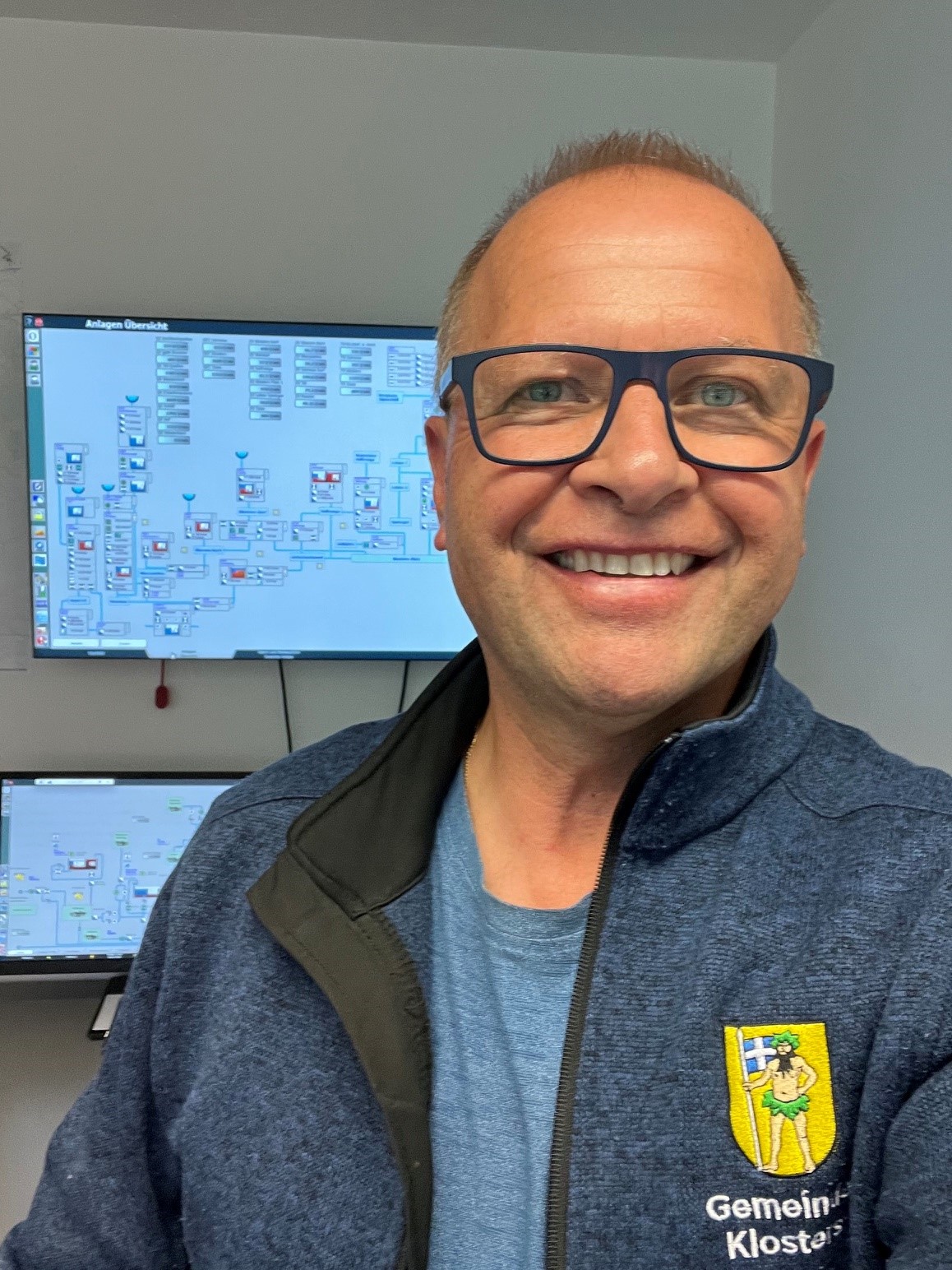
The measurement data collected serves as the basis for quick and targeted decisions regarding the operation of the water supply system. If abnormal readings are detected, appropriate measures can be taken before contaminated water or water that does not meet legal requirements enters the drinking water distribution network.
By introducing continuous spring monitoring, the municipality of Klosters is sustainably strengthening the security of its drinking water supply. The water quality station helps ensure that the high quality standards for drinking water are met at all times and that the population is reliably supplied with pristine drinking water.
Turbidity Measurement
A turbidity measurement is used to determine the degree to which a liquid is clouded by finely dispersed particles. It is frequently used in water analysis, the food industry, chemical processes, and environmental monitoring.
What does a turbidity measurement measure?
It does not directly measure the quantity of particles, but rather how strongly these particles scatter or attenuate light.
- How light behaves in a liquid depends on its composition: Clear liquids allow light to pass through largely unimpeded.
- Suspended solids (e.g., sand, clay, microorganisms, or other particles) scatter the light.
- The more light is scattered, the higher the turbidity.
What is it used for?
- Drinking water monitoring: Checking water quality.
- Wastewater monitoring: Monitoring of wastewater treatment plants
- Environmental analysis: Analysis of rivers, lakes, and groundwater
- Food and beverage industry: Quality control for beer, wine, juices, or milk
- Chemical and pharmaceutical processes: Monitoring of suspensions and production processes
SAC Measurement
An SAC (spectral absorption coefficient) measurement is used to estimate the amount of dissolved organic matter in water.
What does the SAC measurement measure?
The measurement determines how strongly water absorbs UV light, typically at a wavelength of 254 nm (SAC₍₂₅₄₎):
- Organic compounds such as humic substances, plant decomposition products, or other carbon-containing substances absorb UV light
- The stronger the absorption, the higher the concentration of these organic substances generally is
What is the SAC measurement used for?
- Monitoring drinking water and raw water
- Monitoring wastewater treatment plants
- Monitoring surface waters
- Early detection of contamination
- Estimating the content of organic carbon (DOC/TOC)